
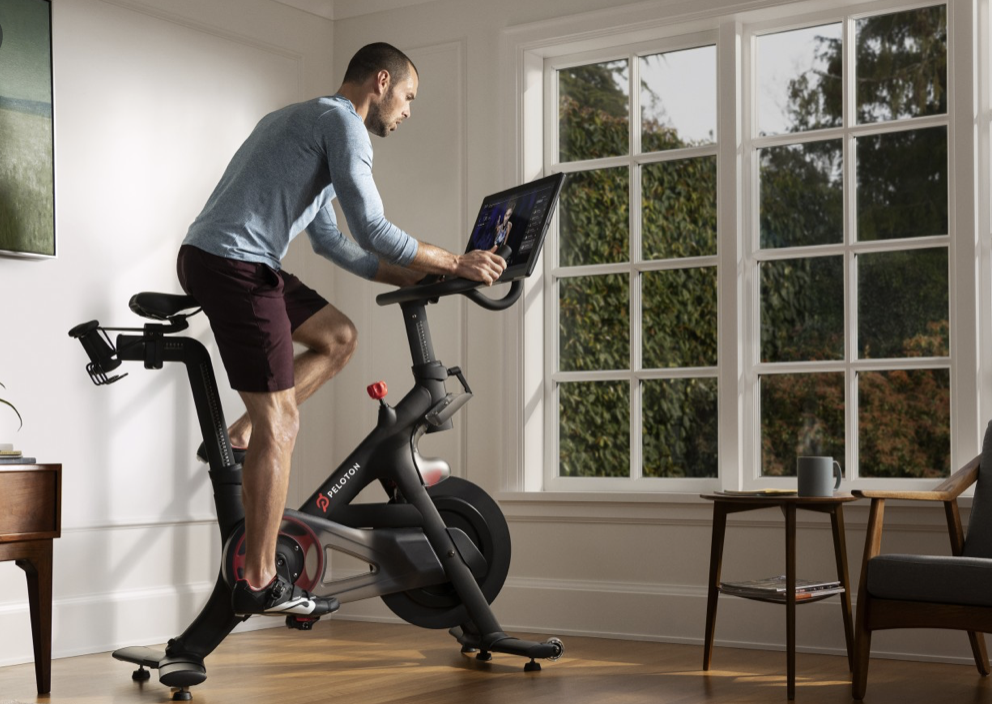

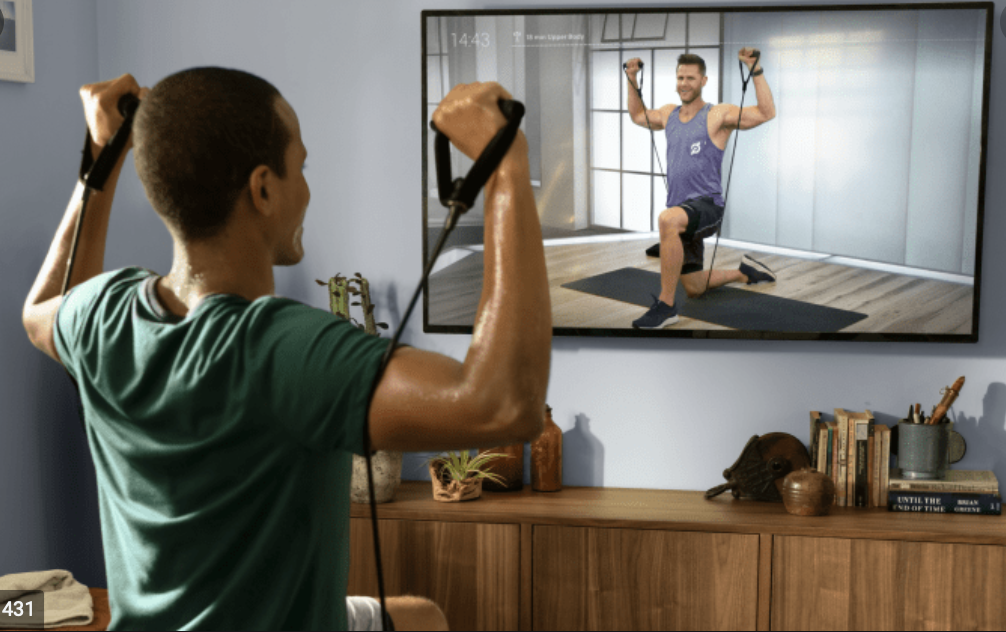
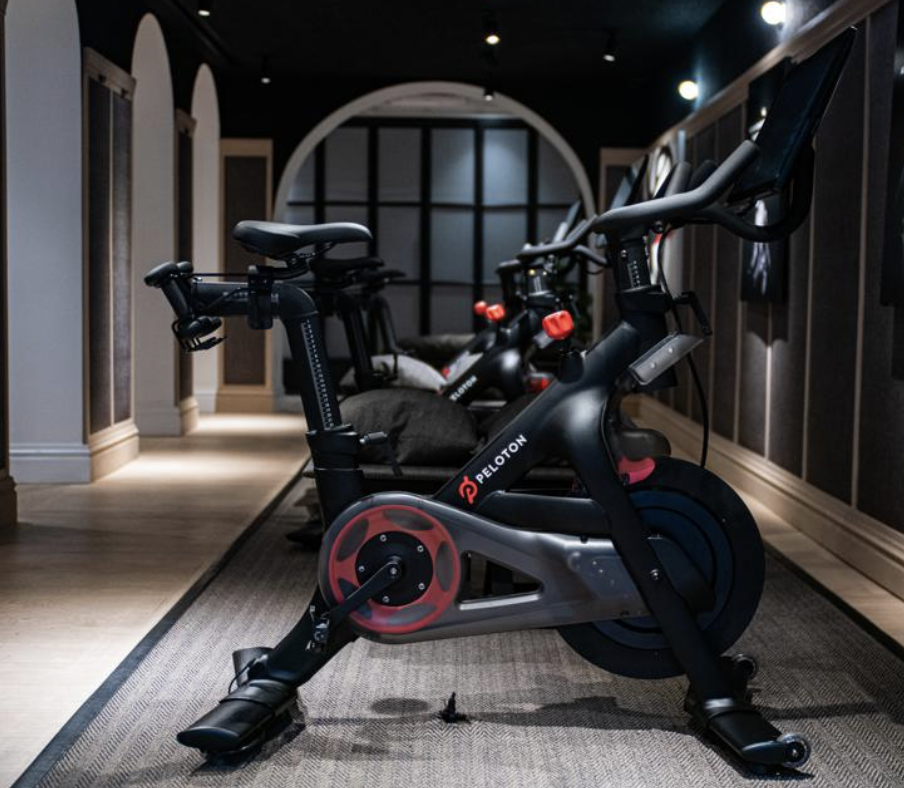
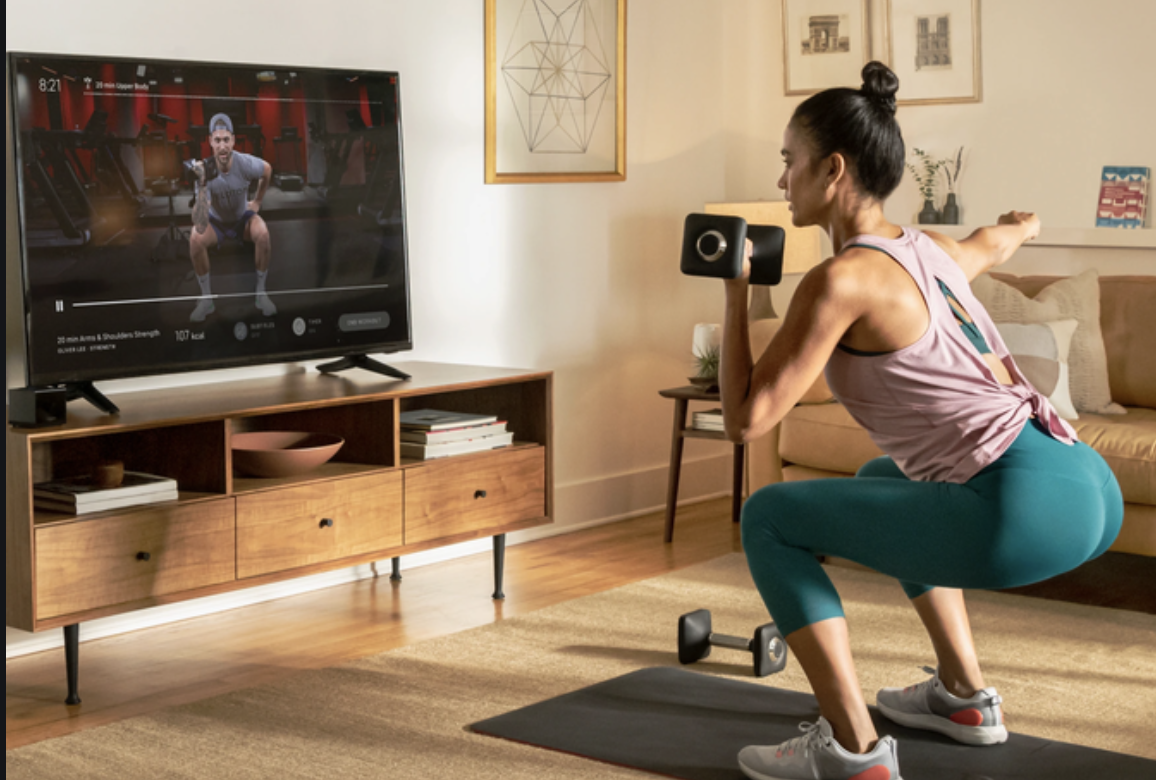


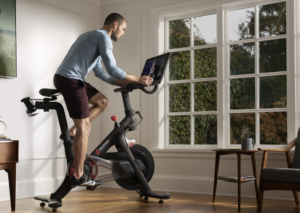
 When most people hear the word “Peloton” they think of an expensive black bike with shiny red buttons and that controversial commercial where the husband gifted his wife a Peloton for Christmas.
 If the app interests you, Peloton is currently offering a 30 day FREE TRIAL, so why not give it a try? Check it out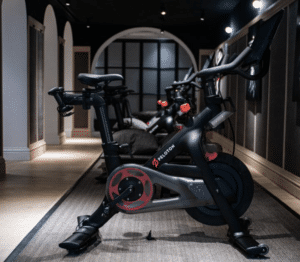


 This article would not be complete, however, if we did not acknowledge some of the delivery issues that have been plaguing Peloton over the last year. Most of the delivery issues seem to affect U.S. deliveries, however, the UK deliveries have been affected as well.





 This is a subject that crops up in my clinic on a regular basis. I am regularly asked questions like “Should I stretch to reduce injury?” and “What is best – static [active or passive], dynamic, ballistic or PNF?”
As you can imagine, the answers to these questions could fill a book so I shall attempt to keep it short.
There is a prolificacy of research on this subject and it is widely reported that muscle eccentric strength is reduced by anything between 7% and 9% for up to an hour post static stretch.
In an attempt to make some sense of this research, Anthony D Kay from The University of Northampton/Edith Cowan University and Anthony J Blazevich from Edith Cowan University, Western Australia conducted a systematic review of the effect of acute static stretch on maximal muscle performance. Out of 4,559 possible articles searched, only 106 could be included.
Unfortunately, as often happens, study design was poor; failing to provide appropriate reliability statistics in many cases.
This review appeared to conclude that as most pre-exercise static stretching was of a short duration, less than 45 seconds, it was unlikely to have a detrimental effect on task performances dependent on strength, power or speed.
The full report can be found here. It is clear that more structured, specific research needs to be carried out.
I tend to take a pragmatic approach to stretching and believe every aspect of training should be functional.
In this case, unless your performance is gymnastic or balletic [as with most forwards], static stretching is not necessary and is unlikely to prevent injury.
More importantly, setting aside time to perform a full range of static stretching, steals valuable amounts of this valuable commodity from essential, functional preparation.
A thorough warm up, however, is in my opinion vitally important in reducing the incidents of injury; muscles need to be warmed and the synovial fluid needs to get flowing.
I am a big fan of dynamic flexibility and for many years have been pushing the SAQ ethos and culture.
Not only are the muscles and joints getting the attention they need but warming up for activity in this way gives the cardiovascular system a chance to get in to gear too.
Post exercise stretching with respect to injury is a whole different kettle of fish and I shall cover that next time. In the meantime, I shall leave you with the thought that ‘tight’ muscles are not necessarily ‘short’ muscles!
Liz Ward


